Rubbish Collection in Crystal Palace
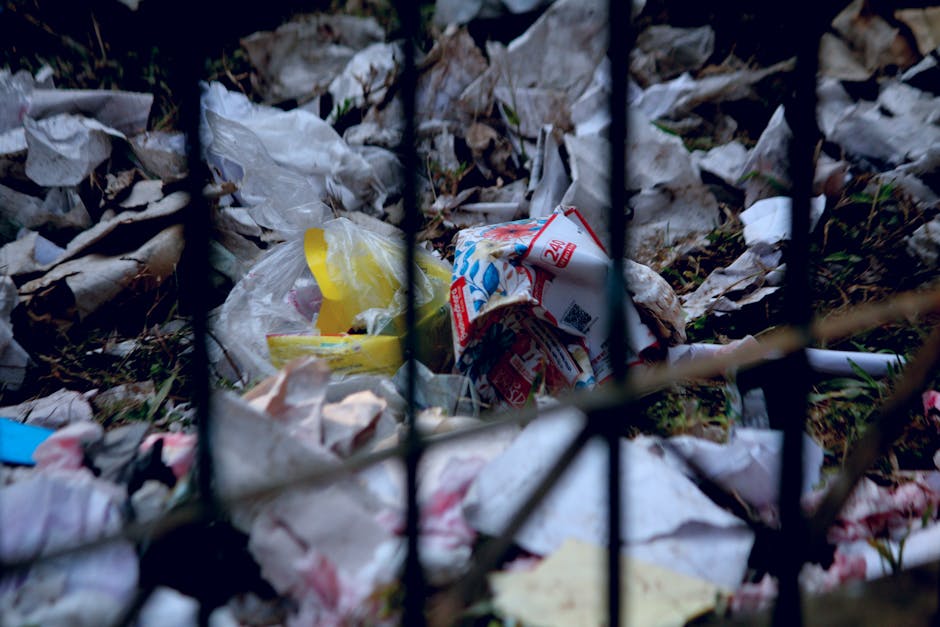
Rubbish Collection Crystal Palace provides rubbish collection in Crystal Palace for homes, flats, landlords, businesses and property managers who need waste removed in a tidy, organised way. The service covers general rubbish collection alongside related clearance work, so customers can arrange removal of loose household waste, bulky items, mixed waste and site debris without having to manage the disposal process themselves. It is a straightforward local service built around practical collection, sensible sorting and responsible onward handling.
For many enquiries, the key decision is not simply what to remove, but how the items are stored, accessed and separated. Our work can suit one-off clearances as well as repeat collection needs, and the right approach depends on the type of waste, the volume involved and how much loading support is needed. If you are comparing options, our services overview gives a clearer view of the main collection and clearance choices available.
When you are ready to move forward, you can ask for a quotation with a short description of the items and the space involved. If you prefer to read more first, the pricing page and the rest of this homepage explain how the service is structured and what affects the final scope of work. Request a quotation once you know the collection type you need.
Household rubbish collection and general clearances
Household rubbish collection is often the right choice when rooms, cupboards, loft spaces, garages or outbuildings contain mixed waste that is no longer useful. Typical collections may include bagged rubbish, broken household items, old décor, unwanted clutter and general non-hazardous waste. The aim is to remove the material efficiently while keeping the process orderly, especially where access is limited or the load needs to be carried from more than one part of the property.
For domestic customers, it helps to think about the type of waste before requesting collection. Mixed rubbish is usually simpler to plan than separate waste streams, and some items may need to be handled differently if they are awkward, heavy or restricted. A good enquiry usually gives a clear idea of what is being cleared, where the waste is located and whether the collection is from inside, outside or a shared access area. You can also review the main rubbish collection page for a concise description of the core service.
Useful household collections often involve a blend of practical sorting and careful lifting. That may mean removing smaller loads from a flat, taking away bulkier domestic waste from a house, or dealing with a mixture of bagged rubbish and loose items after a clear-out. If you need to compare the broader clearance options, the next section explains how larger-scale removals are handled and where a fuller property clearance can be more appropriate.
Bulky items, mixed waste and property clearance
Not every job is a simple bag collection. Some customers need bulky waste removed from rooms, hallways or storage areas, while others need a fuller clearance where several kinds of unwanted items are gathered together. This can include furniture, general waste, packaging, old fittings and other non-hazardous materials that are best removed in one organised visit. The service is particularly useful where the property needs to be handed back clear or made ready for follow-on work.
Property clearance work benefits from a sensible sequence. Larger items are often assessed first, then the smaller waste is grouped and removed so that the load can be handled efficiently. In practice, that means the collection can be shaped around the layout of the property and the nature of the waste rather than forcing everything into a single formula. For a more specific residential clear-out service, house clearance in Crystal Palace provides a useful route when the task is centred on domestic rooms, contents and stored belongings.
There are also times when the right option sits between a simple rubbish lift and a full clearance. In those cases, it is usually the mix of items, the amount of lifting and the number of access points that shapes the work. That is why clear descriptions are helpful: they let the collection be planned realistically, with the right vehicle space and the right labour input, rather than assuming every job fits the same pattern.
Builder's waste, renovation debris and site clearance
Rubbish collection can also support smaller building and refurbishment jobs where waste builds up quickly. Builder's waste may include offcuts, broken materials, packaging, plaster fragments and other debris left behind by improvement works. The collection needs to be practical because site waste is often awkward to carry, dusty and mixed in character. A well-planned removal helps keep the working area clear and reduces the build-up of material that can slow the next stage of the project.
For renovation and maintenance jobs, it is useful to consider how the waste has been created. Some loads are dominated by light packaging, while others contain heavy or awkward debris that needs more careful handling. If you are arranging removal after a project, the dedicated builders' waste disposal service is the most relevant page to review, especially when the waste has come from decorating, repairs or property improvement rather than from ordinary household use.
Common builder's waste items often include timber offcuts, tiles, bricks, bags of rubble, plasterboard, packaging and fixtures removed during renovation. Where items are mixed, the collection can be adjusted to match the load and the access available. If you are comparing this with other services, remember that builder's waste is usually best described by the kind of project it came from, because that affects the time, lifting and handling involved.
Office and business rubbish collection
Business collections are often about keeping spaces usable while unwanted material is removed discreetly. Office rubbish can include old desks, chairs, filing material, broken equipment, packaging and general clutter from storage rooms or work areas. The objective is to clear the waste without disrupting the day-to-day running of the premises more than necessary, whether the job involves a single room, a suite of offices or a back-of-house storage area.
Commercial customers usually want a clear distinction between items that can be taken away together and items that need a separate plan. That is why office clearances are best arranged with a brief outline of what the premises contain, how the waste is stored and whether there are lifts, stairs or shared entrances to consider. If your enquiry is mainly workplace-based, office clearance in Crystal Palace is the most suitable page for that kind of removal work.
The practical value of an office collection is that it can free up space for refit, reorganisation or closure without leaving waste behind for later handling. It can also help when items have built up over time and need removing in a single coordinated pass. Where business waste is mixed with general rubbish, the collection can be planned around both the volume and the order in which the items will be carried out.
About Crystal Palace
Crystal Palace is an area in south London with a distinctive identity shaped by its ridge-top position, its transport links and its long association with the Crystal Palace itself, the great glass exhibition building that once stood on Sydenham Hill after being moved from Hyde Park in the 1850s. The name now refers to the district spread across several borough boundaries, including parts of Bromley, Croydon, Lambeth, Southwark and Lewisham, rather than a single administrative centre. Much of the area’s character comes from its mix of Victorian and later housing, stepped streets, and views that open out from the high ground over London. Crystal Palace Park is one of the best-known landmarks, laid out for the original palace and still notable for its large open spaces, lakes and the famous dinosaur sculptures created in the 19th century. The park remains a major public landscape, while the surrounding streets contain a varied mix of independent shops, cafés, venues and local services. The area also has a strong cultural reputation linked to its community events, music, architecture and green setting. That combination of historic associations, open parkland and busy residential streets gives Crystal Palace a character that feels both suburban and distinctly metropolitan, with a sense of place that comes from its unusual topography as much as from its architectural history.
Garden waste, outdoor clutter and seasonal collection
Outdoor waste often gathers in a different way from household rubbish, especially after pruning, landscaping or general maintenance. Garden waste can include branches, cuttings, soil, turf, hedge trimmings, old planters and weathered outdoor items that are no longer needed. Collection work here is often more about volume and access than appearance, because the waste may be spread across a garden, side passage or rear area rather than gathered neatly in one place.
Seasonal garden clearances are useful when outdoor storage has become crowded with broken tools, disused furniture or accumulated plant waste. These jobs can be planned around the way the material is stacked and whether the path to the collection point is narrow or uneven. If the work is mainly green waste, garden waste removal in Crystal Palace is the most relevant option to consider, because it focuses on outdoor materials rather than general domestic rubbish.
Preparation is usually simple: it helps to separate what is definitely going, keep access routes clear where possible and note any items that are particularly heavy or awkward. That gives a more accurate picture of the work and helps avoid last-minute adjustments. It also makes it easier to decide whether the job is a straightforward garden load or part of a wider property clear-out that includes indoor waste as well.
What influences the collection plan
Every collection has a practical shape, and the main factors are usually the type of waste, the amount of lifting required and the access to the property. A load of bagged rubbish is handled differently from a mixed collection with bulky items, and a ground-floor job is not the same as carrying waste down stairs or through shared corridors. These differences matter because they affect how the work is organised, how long it takes and what kind of support is needed on site.
When you make an enquiry, a brief summary is often enough to start a sensible plan. Useful details include the approximate volume, the kinds of items involved and whether anything is difficult to move. Photographs can also help if the space is cluttered or the items are spread across more than one room. In many cases, it is better to say exactly what is present than to describe the job in general terms, because that gives a more reliable basis for the quotation and avoids confusion later.
If you want to check what the business says about handling, charging and safety, the pages on insurance and safety and recycling and sustainability cover the broader approach in more detail. Once you have the key information ready, the next step is simply to ask for a quotation and compare the best collection option for the job.
Pricing, planning and the right page for your enquiry
Rubbish collection pricing is usually shaped by practical variables rather than by one fixed formula. The main influences are the amount and type of waste, how accessible it is, whether heavier lifting is involved and whether the collection is part of a simple load or a more involved clearance. Because of that, a careful description matters more than a vague estimate, and it is usually worth separating general rubbish from builder's debris, garden waste or a room clearance before requesting a price.
For customers comparing commercial options, the service pages are arranged to make it easier to match the job to the right kind of collection. If the need is broad and you want a general starting point, waste removal in Crystal Palace is a sensible next step, while the main page on pricing and quotes is useful when you want to understand how quotations are approached in more detail.
Two brief points often make enquiries clearer: first, say whether the waste is mixed or sorted; second, mention whether access is straightforward or limited. Those details help shape the work properly and reduce the chance of avoidable back-and-forth. If you are ready to proceed, request a quotation and describe the items as plainly as you can so the collection can be matched to the job.
Further information and next steps
If you are still deciding which type of collection is best, it can help to compare the service pages against the job in front of you. Some customers only need a simple rubbish lift, while others need a fuller removal that includes bulky items, domestic waste or renovation debris. The site pages are set out to reflect those differences, so you can move from a general overview to the more specific service that fits the work most closely.
For more background on the wider business and its published service information, you can review about us and the testimonials page. Those pages are useful when you want to understand the broader presentation of the service alongside the core collection options, although the main decision still depends on the kind of waste and the access available at the property.
Ready to arrange a collection? Use the contact page to request a quotation and describe the items, access and location in simple terms: contact us here. If you would rather continue browsing first, the service pages above provide a clear route to the most suitable collection option.